
Reverse Engineering
Reverse-Engineered Montana Change Centre Bath Plug
A broken baby-bath plug with no locally available replacement became a three-day reverse-engineering project, moving through PLA prototypes to a final flexible TPU part that fitted and worked.
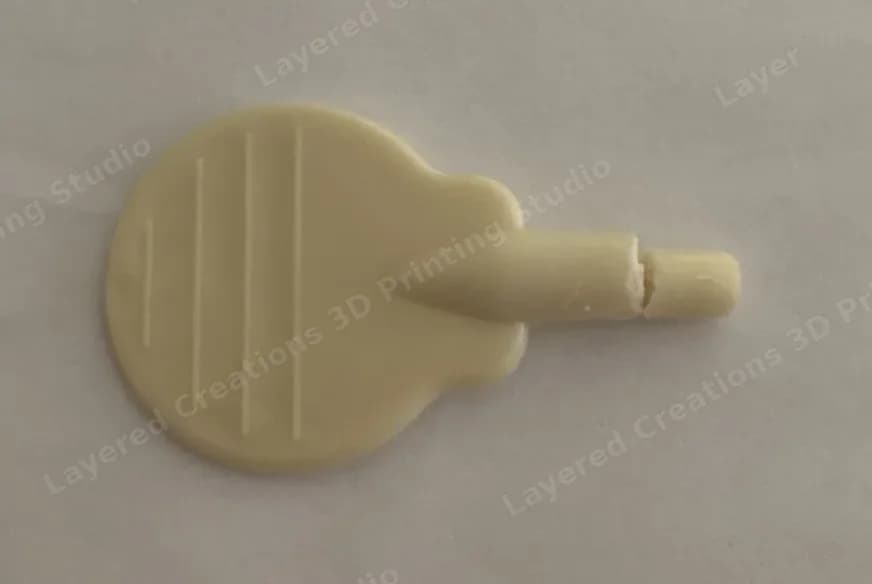
This project started with a WhatsApp from a client who had a broken bath plug from a Montana Change Centre.
The product is Australian, and the client had not been able to find a replacement plug locally in South Africa. The part that had broken was the section that fits into the bath's drain opening, which meant the original plug could no longer do its job.
The client sent photos and then dropped off the broken plug so that I could work directly from the original part. I did not have access to the compactum itself, so the process relied on repeated measurements of the broken plug, together with online photos and videos to understand how the bath and drainage system worked.
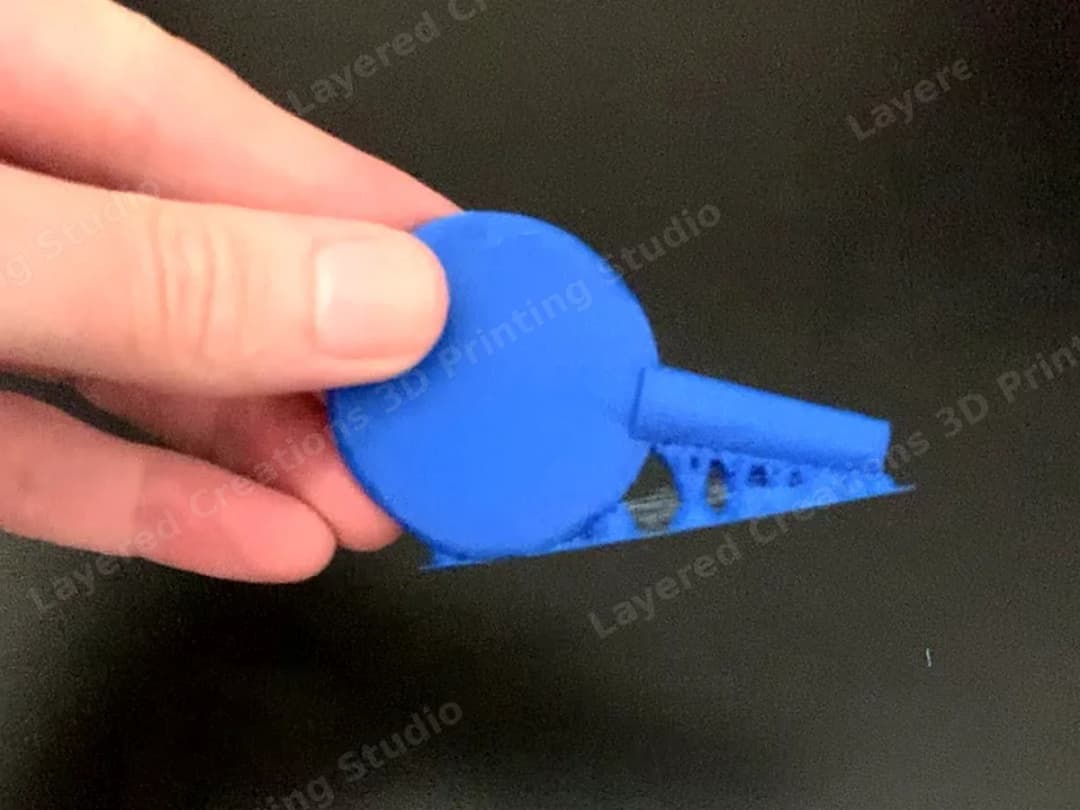
The first step was to recreate the geometry of the part. The most important area was the shaft that fits into the drain opening. It needed to be correctly rounded, tapered and sized very precisely.
The first three prototypes were printed in PLA. At that stage, the aim was to refine the measurements and shape rather than produce the final usable part.
Once the geometry was right, the fourth prototype was printed in TPU, a flexible material better suited to the way the plug would actually be used. The plug needed to be strong enough to handle repeated pushing and pulling, but still flexible enough to behave more like the original rubber-like component.
From the client's initial message to collection of the finished part, the full project took three days. Turnaround time will always depend on the complexity of the item, the number of prototypes needed and the material involved, but this project showed how quickly a replacement part can sometimes be developed when the original piece is available to work from.
A few hours after collection, the client sent confirmation that the plug fitted and worked.
For me, this project is a good example of what 3D printing can do from a problem-solving perspective: taking a broken part that cannot easily be replaced, working backwards from the original, refining the design through prototypes, choosing the right material for the job, and producing a functional replacement.
Already have an STL or 3MF file you would like printed? Send it to us through our 3D printing service and request a quote.
Layered Creations
Every creation begins with a story.